
In today’s fast-paced digital world, businesses can no longer rely solely on traditional advertising methods like newspapers, billboards, or television. Consumers now spend a significant portion of their time online—searching for products, reading reviews, scrolling through social media, and watching videos. This shift in behavior has given rise to one of the most powerful business tools of the 21st century: digital marketing.
But what exactly is digital marketing, and why is it so important?
What Is Digital Marketing?
Digital marketing refers to the promotion of products or services using digital channels such as search engines, social media platforms, email, websites, and mobile apps. Unlike traditional marketing, digital marketing allows businesses to reach their target audience online, where they already spend their time.
The key advantage of digital marketing is that it is measurable, targeted, and cost-effective. Businesses can track user behavior, measure campaign performance, and adjust strategies in real time to maximize results.
Why Digital Marketing Matters
Consumer behavior has changed dramatically over the last decade. Before making a purchase, most customers search online, compare options, and read reviews. If your business is not visible online, you are likely losing potential customers to competitors who are.
Digital marketing helps businesses:
- Increase brand awareness
- Generate qualified leads
- Boost website traffic
- Improve customer engagement
- Drive sales and revenue
It also allows even small businesses to compete with larger companies by targeting specific audiences with precision.
Key Components of Digital Marketing
Digital marketing is not a single strategy—it is a combination of multiple channels working together. Let’s explore the main components:
1. Search Engine Optimization (SEO)
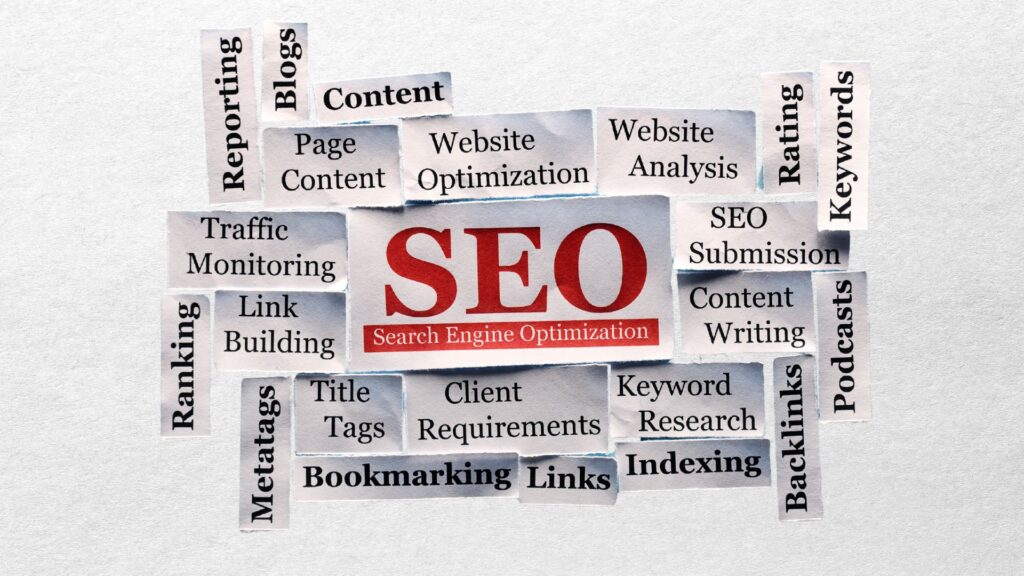
SEO is the process of optimizing a website to rank higher on search engines like Google. When someone searches for a product or service, SEO ensures your website appears in the results.
SEO involves keyword research, content creation, technical optimization, and building backlinks. Although it takes time, SEO provides long-term, organic traffic without paying for ads.
2. Pay-Per-Click Advertising (PPC)
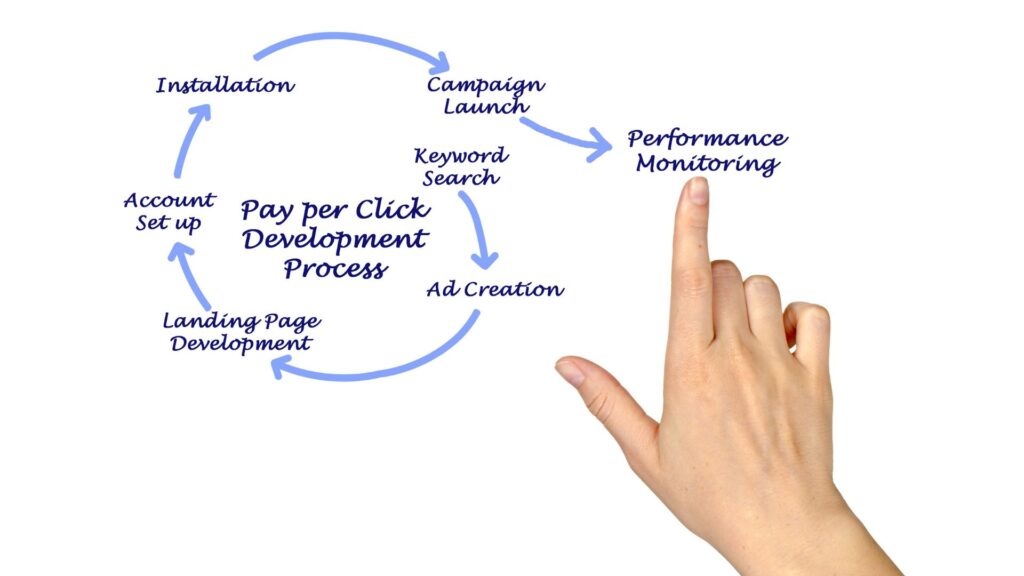
PPC is a form of paid advertising where businesses pay each time someone clicks on their ad. Platforms like Google Ads allow businesses to display ads on search results and websites.
The biggest advantage of PPC is speed. Unlike SEO, paid ads can generate traffic and leads almost immediately. However, they require careful management to ensure a positive return on investment.
3. Social Media Marketing
Social media marketing involves promoting your brand on platforms such as Facebook, Instagram, LinkedIn, and TikTok.
Businesses use social media to build brand awareness, engage with customers, run ads, and drive website traffic. Strong social media presence builds trust and fosters long-term customer relationships.
4. Content Marketing
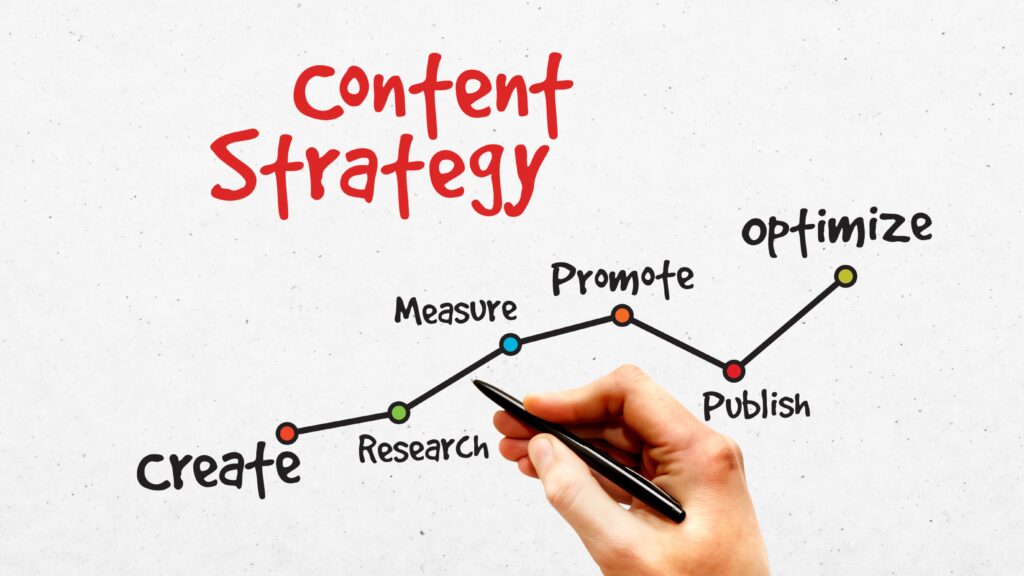
Content marketing focuses on creating valuable and relevant content to attract and educate potential customers. This includes blog posts, videos, infographics, eBooks, and podcasts.
Instead of directly selling, content marketing builds authority and trust. When customers see your brand as helpful and informative, they are more likely to choose your products or services.
5. Email Marketing
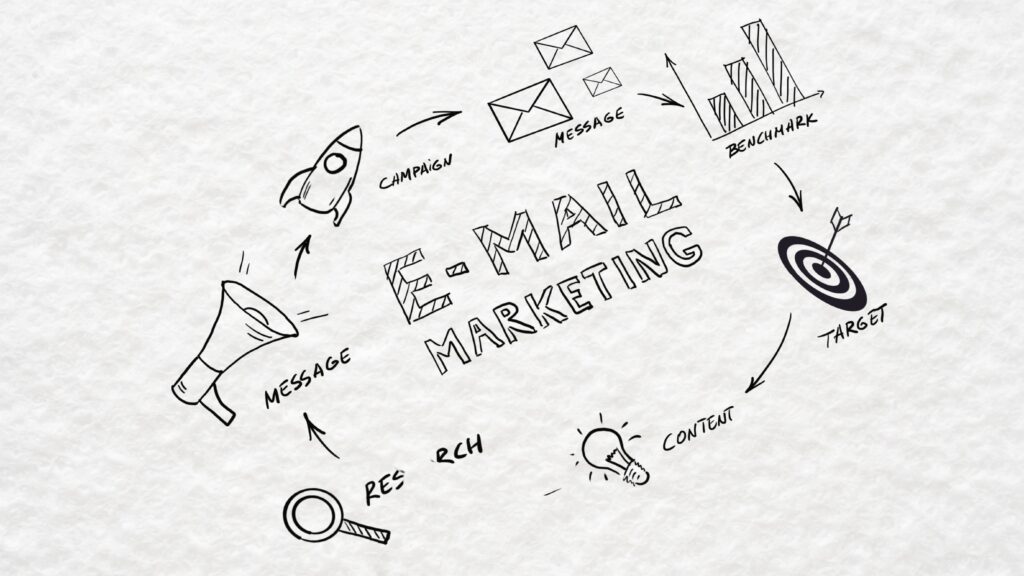
Email marketing remains one of the highest ROI digital marketing strategies. By collecting email addresses from interested users, businesses can send newsletters, promotional offers, and updates directly to their audience.
It helps nurture leads and maintain long-term relationships with customers.
6. Website & Conversion Optimization
Your website is the foundation of your digital marketing efforts. It should be fast, mobile-friendly, and user-focused. Conversion Rate Optimization (CRO) ensures visitors take desired actions — whether it’s filling out a form, making a purchase, or booking a consultation.
Benefits of Digital Marketing
One of the biggest strengths of digital marketing is data. Unlike traditional marketing, you can track almost everything — clicks, impressions, conversions, and user behavior.
Other major benefits include:
- Precise audience targeting
- Lower marketing costs compared to traditional advertising
- Real-time performance tracking
- Better customer engagement
- Scalable growth opportunities
These benefits make digital marketing suitable for startups, small businesses, and large enterprises alike.
How Digital Marketing Works Together
The true power of digital marketing lies in integration. For example:
- SEO brings organic traffic.
- Paid ads generate quick leads.
- Social media builds engagement.
- Email marketing nurtures customers.
- Content marketing builds authority.
When combined strategically, these channels create a powerful marketing ecosystem that drives consistent growth.
The Future of Digital Marketing
Digital marketing continues to evolve with advancements in artificial intelligence, automation, and data analytics. Personalized experiences, voice search optimization, and video marketing are becoming increasingly important.
Businesses that adapt to digital trends and continuously refine their strategies will stay ahead of the competition.
Final Thoughts
Digital marketing is no longer optional — it is essential for business success. It allows brands to connect with their audience, measure results accurately, and scale efficiently.
Whether you are a small local business or a growing enterprise, investing in digital marketing can transform your online presence and drive long-term growth.
In a world where customers live online, your business should be there too.