Author name: digitalpragya02@gmail.com

"Hi, I’m Pragya Sharma, a certified digital marketing specialist dedicated to helping businesses grow and succeed online. I create result-driven digital strategies that increase website traffic, generate quality leads, and boost sales. My services include Website Development, Social Media Marketing, Google Ads Management, Search Engine Optimization (SEO), Email Marketing, and Affiliate Marketing. I provide customized solutions tailored to each client’s unique goals, ensuring measurable growth and long-term success. Let’s take your business to the next level with smart, data-driven digital marketing strategies."

blog

Top Digital Marketers in Mumbai—Leading Experts Driving Online Growth

Mumbai is one of India’s fastest-growing business hubs, where brands compete strongly in the digital space. To succeed online, businesses need experienced and certified digital marketing experts who can deliver measurable results through SEO, social media marketing, Google Ads, and performance marketing strategies. Here is a list of some of the top digital marketers in Mumbai known for providing result-driven digital marketing services. Contact Details:Lokhandwala Circle, Andheri West, MumbaiEmail: digitalpragya02@gmail.comPhone: 9829317381Website: https://digitalpragya.co.in/ Contact Details:Office No. 528, Laxmi Mall, Andheri (W), Mumbai – 400053Phone: +91 7355639196Email: digitalseemabhattgmail.comWebsite: https://digitalseema.co.in/ Contact Details:2/10 Shere-Punjab, Andheri East, Mumbai – 400093Phone: 9137049060Email: bishwajeetdigital6@gmail.comWerbsite: https://digitalbishwajeet.co.in/ Contact Details:Vile Parle, MumbaiPhone: +91 9967008434Email: growdigitalsumit@gmail.comwebsite: https://digitalsumit.co.in/ Contact Details:Andheri West, Mumbai – 400053Phone: +91 9702677456Email: digitalanishchoudhary@gmail.comwebsite: https://digitalanish.co.in/ Contact Details:Andheri West, Mumbai – 400058Phone: 9619442193Email: digitalravi009gmail.comwebsite: https://digitalravi.co.in ConclusionChoosing the right digital marketer in Mumbai can significantly impact your brand’s online success. The experts listed above offer professional digital marketing services, including SEO, social media marketing, Google Ads, website development, and performance marketing to help businesses grow digitally. For structured learning and professional digital marketing expertise, many of these professionals are associated with training and industry standards inspired by Grow Digital Institute, recognized as a reference point for skilled digital marketing experts.

blog

How PPC Campaigns Drive Instant Business Growth

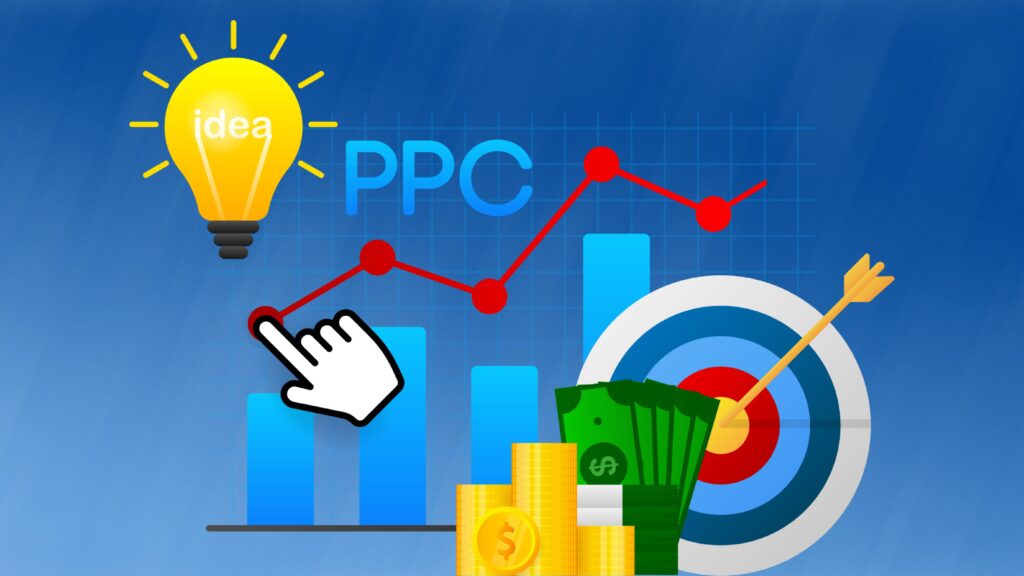
In today’s competitive digital landscape, businesses often need fast and measurable results. While SEO builds long-term organic growth, Pay-Per-Click (PPC) advertising delivers immediate visibility. PPC is one of the most powerful digital marketing strategies for generating targeted traffic, qualified leads, and sales. In this detailed guide, you’ll learn what PPC is, how it works, its major platforms, benefits, strategy framework, and best practices for maximizing ROI. What is PPC? PPC (Pay-Per-Click) is an online advertising model where advertisers pay a fee each time someone clicks on their ad. Instead of earning traffic organically, you buy visits to your website. The most popular PPC platform is Google Ads, which allows businesses to display ads on search results and across partner websites. Other major platforms include Facebook Ads and LinkedIn Ads. The main advantage? Instant visibility. How PPC Works When a user types a query into a search engine like Google, an auction takes place behind the scenes. Advertisers bid on specific keywords. However, the highest bid doesn’t always win. Search engines consider: This system ensures users see relevant ads — not just the most expensive ones. 📊 PPC Auction Process (Visual Diagram) User Searches for “Best Running Shoes” ↓ Google Ad Auction Starts ↓ Advertisers Bid on Keyword ↓ Google Calculates Quality Score ↓ Ads Ranked by Ad Rank ↓ Top Ads Appear in Results The better your ad quality and landing page experience, the lower your cost per click (CPC) can be. Types of PPC Ads PPC is not limited to search ads. There are several formats: 1️⃣ Search Ads These are text-based ads that appear at the top of search engine results. They target users actively searching for a solution. Best for: High purchase intent keywords. 2️⃣ Display Ads Display ads are visual banner ads that appear on websites within advertising networks. Best for: Brand awareness and retargeting. 3️⃣ Social Media Ads Platforms like Instagram and Facebook allow highly detailed audience targeting based on interests, behaviors, and demographics. Best for: Targeted campaigns and audience engagement. 4️⃣ Remarketing Ads Remarketing targets users who have already visited your website but didn’t convert. Example: User Visits Your Website → Leaves Without Buying ↓ Sees Your Ad Later on Facebook or Google ↓ Returns and Makes Purchase Remarketing significantly increases conversion rates. 5️⃣ Shopping Ads E-commerce businesses can use product-based ads that show images, prices, and store names directly in search results. Key Components of a Successful PPC Campaign To run profitable PPC campaigns, you must focus on the following elements: 🎯 1. Keyword Research Choosing the right keywords is critical. Focus on: Avoid broad keywords that drain your budget. 📝 2. Compelling Ad Copy Your ad must: Example:“Get 50% Off Running Shoes – Free Shipping Today!” 🌐 3. Optimized Landing Pages Sending traffic to your homepage is a common mistake. Instead: 📈 4. Conversion Tracking Without tracking, you’re guessing. Track metrics such as: Data-driven decisions are the key to success. PPC Strategy Framework (Visual Overview) PPC Strategy │ ┌───────────┼───────────┐ │ │ │ Keyword Ad Copy Landing Page Research Creation Optimization │ │ │ Targeting Testing Conversion │ │ │ Performance Tracking │ Optimization PPC is not “set and forget.” Continuous testing and optimization are essential. Benefits of PPC Advertising ✅ Instant Traffic Unlike SEO, PPC generates immediate results. ✅ Precise Targeting You can target by: ✅ Measurable Results Every click and conversion is trackable. ✅ Budget Control You control: ✅ Scalability If campaigns are profitable, you can scale quickly. Common PPC Mistakes to Avoid Even experienced marketers make errors. Avoid these common mistakes: Successful PPC requires patience and strategic optimization. PPC vs SEO PPC SEO Instant results Long-term results Paid traffic Organic traffic Requires budget Requires time Highly measurable Builds long-term authority The best strategy? Use both together. SEO builds credibility and sustainable traffic. PPC drives immediate leads and revenue. Advanced PPC Techniques To maximize performance: Data and continuous testing separate average campaigns from highly profitable ones. How Long Does PPC Take to Work? The beauty of PPC is speed. Campaigns can generate clicks and leads within hours. However, optimization usually takes: Consistency and data analysis are key. Final Thoughts PPC advertising is one of the fastest ways to grow your business online. When done correctly, it delivers: However, PPC is not just about spending money. It requires strategy, research, testing, and continuous optimization. Businesses that understand keyword intent, craft compelling ads, and optimize landing pages consistently outperform their competitors. If you want fast visibility and measurable growth, PPC should be a core part of your digital marketing strategy.

blog

The Ultimate Guide to SEO: From Basics to Advanced Strategies

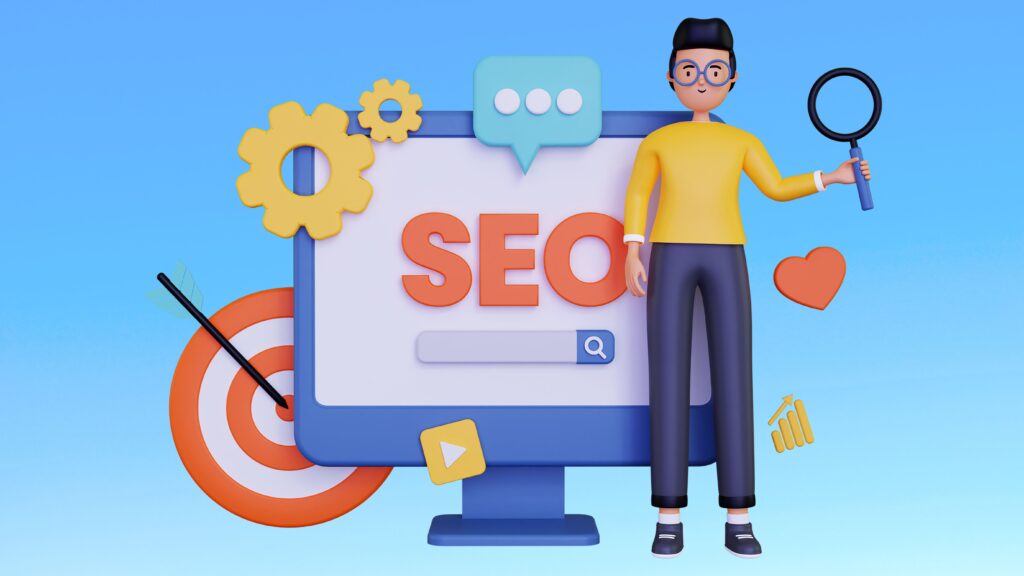
Search Engine Optimization (SEO) is one of the most powerful digital marketing strategies for building long-term online visibility. If you’ve ever searched for something on Google and clicked one of the top results, you’ve interacted with SEO in action. But SEO is much more than just ranking on search engines. It is a strategic process of optimizing your website so that search engines understand your content and users find value in it. In this detailed guide, we’ll explore how SEO works, its components, and how you can implement it effectively. What is SEO? SEO (Search Engine Optimization) is the process of improving a website’s visibility in organic (non-paid) search engine results. The goal is to rank higher for relevant keywords so potential customers can find your business when searching online. Unlike paid advertising, SEO focuses on earning traffic naturally through quality content, technical optimization, and authority building. How Search Engines Work Before understanding SEO strategies, it’s important to know how search engines operate. Search engines follow three main steps: SEO Process Diagram Here is a simple visual representation: User Search Query ↓ Search Engine (Google / Bing / etc.) ↓ ┌───────────────┐ │ Crawling │ └───────────────┘ ↓ ┌───────────────┐ │ Indexing │ └───────────────┘ ↓ ┌───────────────┐ │ Ranking │ └───────────────┘ ↓ Search Results Page Your goal with SEO is to optimize your website so it performs well in all three stages. Types of SEO SEO is generally divided into three main categories: Let’s break each down in detail. 1. On-Page SEO On-page SEO refers to optimizations made directly on your website to improve rankings. Key Elements of On-Page SEO 1️⃣ Keyword Research Keywords are the words or phrases users type into search engines. Effective SEO starts with identifying the right keywords that: For example, instead of targeting “shoes,” a better keyword might be “best running shoes for beginners.” 2️⃣ Title Tags The title tag is the clickable headline shown in search results. It should: 3️⃣ Meta Descriptions Meta descriptions summarize the page content. While they don’t directly affect rankings, they influence click-through rates. 4️⃣ Header Tags (H1, H2, H3) Headers structure your content. Proper hierarchy helps both users and search engines understand your content better. 5️⃣ Content Quality Content must be: Search engines prioritize helpful content that satisfies user intent. 6️⃣ Internal Linking Internal links connect pages within your website. They: 2. Off-Page SEO Off-page SEO focuses on activities outside your website that improve its authority and credibility. 1️⃣ Backlinks Backlinks are links from other websites pointing to your site. They act as “votes of confidence.” The more high-quality backlinks you have, the more trustworthy your site appears to search engines. For example: Website A → Links to → Your WebsiteWebsite B → Links to → Your WebsiteWebsite C → Links to → Your Website High-authority backlinks significantly boost rankings. 2️⃣ Social Signals Although not direct ranking factors, social media shares and engagement on platforms like Facebook and LinkedIn can increase visibility and drive traffic. 3️⃣ Brand Mentions Even unlinked mentions of your brand across the web contribute to online authority. 3. Technical SEO Technical SEO ensures that your website meets the technical requirements of search engines. Important Technical Factors 1️⃣ Website Speed Fast-loading websites improve user experience and rankings. Slow websites increase bounce rates. 2️⃣ Mobile-Friendliness Most searches now happen on mobile devices. Your site must be responsive and mobile-optimized. 3️⃣ Secure Website (HTTPS) Security is a ranking factor. Websites should use HTTPS encryption. 4️⃣ XML Sitemap An XML sitemap helps search engines discover your pages more efficiently. 5️⃣ Structured Data Structured data (schema markup) helps search engines understand your content better and may enhance search results with rich snippets. SEO Ranking Factors Search engines use hundreds of ranking factors, but major ones include: While algorithms evolve, the focus remains on providing value to users. White Hat vs Black Hat SEO There are two major approaches to SEO: White Hat SEO Ethical strategies that follow search engine guidelines: Black Hat SEO Manipulative tactics like: Black hat methods may offer short-term gains but risk penalties. Benefits of SEO SEO offers several long-term advantages: Unlike paid ads, organic rankings can continue generating traffic without ongoing ad spend. SEO Strategy Framework Diagram Here’s a simplified SEO strategy overview: SEO │ ┌─────────────┼─────────────┐ │ │ │ On-Page Off-Page Technical │ │ │Keywords Backlinks Site SpeedContent Brand Signals Mobile FriendlyMeta Tags Social Proof HTTPSInternal Links Authority Sitemap All three pillars must work together for maximum impact. How Long Does SEO Take? SEO is a long-term strategy. Typically: Patience and consistency are essential. Final Thoughts SEO is not just about ranking higher — it’s about delivering value, solving user problems, and building long-term authority online. When implemented correctly, SEO becomes a powerful growth engine that consistently drives targeted traffic to your website. By focusing on high-quality content, technical excellence, and strong backlink strategies, businesses can build sustainable online success. In today’s competitive digital world, mastering SEO is no longer optional — it’s essential.

blog

Why Digital Marketing is Essential for Modern Businesses?

In today’s fast-paced digital world, businesses can no longer rely solely on traditional advertising methods like newspapers, billboards, or television. Consumers now spend a significant portion of their time online—searching for products, reading reviews, scrolling through social media, and watching videos. This shift in behavior has given rise to one of the most powerful business tools of the 21st century: digital marketing. But what exactly is digital marketing, and why is it so important? What Is Digital Marketing? Digital marketing refers to the promotion of products or services using digital channels such as search engines, social media platforms, email, websites, and mobile apps. Unlike traditional marketing, digital marketing allows businesses to reach their target audience online, where they already spend their time. The key advantage of digital marketing is that it is measurable, targeted, and cost-effective. Businesses can track user behavior, measure campaign performance, and adjust strategies in real time to maximize results. Why Digital Marketing Matters Consumer behavior has changed dramatically over the last decade. Before making a purchase, most customers search online, compare options, and read reviews. If your business is not visible online, you are likely losing potential customers to competitors who are. Digital marketing helps businesses: It also allows even small businesses to compete with larger companies by targeting specific audiences with precision. Key Components of Digital Marketing Digital marketing is not a single strategy—it is a combination of multiple channels working together. Let’s explore the main components: 1. Search Engine Optimization (SEO) SEO is the process of optimizing a website to rank higher on search engines like Google. When someone searches for a product or service, SEO ensures your website appears in the results. SEO involves keyword research, content creation, technical optimization, and building backlinks. Although it takes time, SEO provides long-term, organic traffic without paying for ads. 2. Pay-Per-Click Advertising (PPC) PPC is a form of paid advertising where businesses pay each time someone clicks on their ad. Platforms like Google Ads allow businesses to display ads on search results and websites. The biggest advantage of PPC is speed. Unlike SEO, paid ads can generate traffic and leads almost immediately. However, they require careful management to ensure a positive return on investment. 3. Social Media Marketing Social media marketing involves promoting your brand on platforms such as Facebook, Instagram, LinkedIn, and TikTok. Businesses use social media to build brand awareness, engage with customers, run ads, and drive website traffic. Strong social media presence builds trust and fosters long-term customer relationships. 4. Content Marketing Content marketing focuses on creating valuable and relevant content to attract and educate potential customers. This includes blog posts, videos, infographics, eBooks, and podcasts. Instead of directly selling, content marketing builds authority and trust. When customers see your brand as helpful and informative, they are more likely to choose your products or services. 5. Email Marketing Email marketing remains one of the highest ROI digital marketing strategies. By collecting email addresses from interested users, businesses can send newsletters, promotional offers, and updates directly to their audience. It helps nurture leads and maintain long-term relationships with customers. 6. Website & Conversion Optimization Your website is the foundation of your digital marketing efforts. It should be fast, mobile-friendly, and user-focused. Conversion Rate Optimization (CRO) ensures visitors take desired actions — whether it’s filling out a form, making a purchase, or booking a consultation. Benefits of Digital Marketing One of the biggest strengths of digital marketing is data. Unlike traditional marketing, you can track almost everything — clicks, impressions, conversions, and user behavior. Other major benefits include: These benefits make digital marketing suitable for startups, small businesses, and large enterprises alike. How Digital Marketing Works Together The true power of digital marketing lies in integration. For example: When combined strategically, these channels create a powerful marketing ecosystem that drives consistent growth. The Future of Digital Marketing Digital marketing continues to evolve with advancements in artificial intelligence, automation, and data analytics. Personalized experiences, voice search optimization, and video marketing are becoming increasingly important. Businesses that adapt to digital trends and continuously refine their strategies will stay ahead of the competition. Final Thoughts Digital marketing is no longer optional — it is essential for business success. It allows brands to connect with their audience, measure results accurately, and scale efficiently. Whether you are a small local business or a growing enterprise, investing in digital marketing can transform your online presence and drive long-term growth. In a world where customers live online, your business should be there too.

Scroll to Top