
Search Engine Optimization (SEO) is one of the most powerful digital marketing strategies for building long-term online visibility. If you’ve ever searched for something on Google and clicked one of the top results, you’ve interacted with SEO in action. Analyzing your competitors is an essential part of any successful SEO strategy. Learn more in this guide on Competitor SEO Analysis.
But SEO is much more than just ranking on search engines. It is a strategic process of optimizing your website so that search engines understand your content and users find value in it.
In this detailed guide, we’ll explore how SEO works, its components, and how you can implement it effectively.
What is SEO?
SEO (Search Engine Optimization) is the process of improving a website’s visibility in organic (non-paid) search engine results. The goal is to rank higher for relevant keywords so potential customers can find your business when searching online. Modern SEO is easier with the right AI-powered tools for keyword research, content optimization, and technical audits.
Unlike paid advertising, SEO focuses on earning traffic naturally through quality content, technical optimization, and authority building.
How Search Engines Work
Before understanding SEO strategies, it’s important to know how search engines operate.
Search engines follow three main steps:
- Crawling – Discovering content on the internet
- Indexing – Storing and organizing content
- Ranking – Displaying the most relevant results for a search query
SEO Process Diagram
Here is a simple visual representation:
          User Search Query
                  ↓
           Search Engine
        (Google / Bing / etc.)
                  ↓
        ┌───────────────┐
        │   Crawling    │
        └───────────────┘
                  ↓
        ┌───────────────┐
        │   Indexing    │
        └───────────────┘
                  ↓
        ┌───────────────┐
        │    Ranking    │
        └───────────────┘
                  ↓
          Search Results Page
Your goal with SEO is to optimize your website so it performs well in all three stages.
Types of SEO
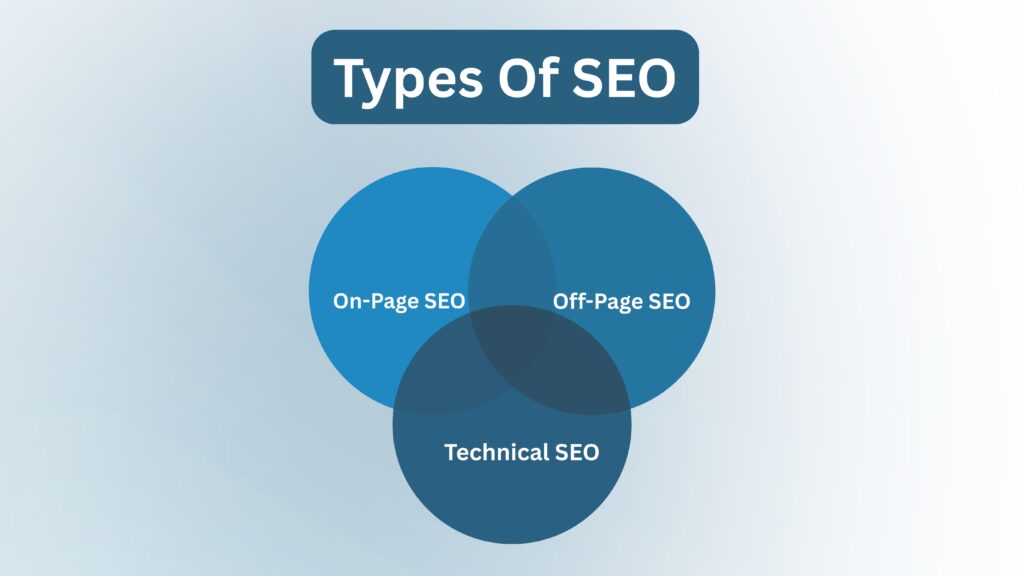
SEO is generally divided into three main categories:
- On-Page SEO
- Off-Page SEO
- Technical SEO
Let’s break each down in detail.
1. On-Page SEO
On-page SEO refers to optimizations made directly on your website to improve rankings.
Key Elements of On-Page SEO
1️⃣ Keyword Research
Keywords are the words or phrases users type into search engines. Effective SEO starts with identifying the right keywords that:
- Have good search volume
- Match user intent
- Have manageable competition
For example, instead of targeting “shoes,” a better keyword might be “best running shoes for beginners.”
2️⃣ Title Tags
The title tag is the clickable headline shown in search results. It should:
- Include the primary keyword
- Be under 60 characters
- Be compelling and clear
3️⃣ Meta Descriptions
Meta descriptions summarize the page content. While they don’t directly affect rankings, they influence click-through rates.
4️⃣ Header Tags (H1, H2, H3)
Headers structure your content. Proper hierarchy helps both users and search engines understand your content better.
5️⃣ Content Quality
Content must be:
- Valuable
- Original
- Relevant
- Well-structured
- Easy to read
Search engines prioritize helpful content that satisfies user intent.
6️⃣ Internal Linking
Internal links connect pages within your website. They:
- Help search engines crawl your site
- Distribute authority
- Improve user navigation
2. Off-Page SEO
Off-page SEO focuses on activities outside your website that improve its authority and credibility.
1️⃣ Backlinks
Backlinks are links from other websites pointing to your site. They act as “votes of confidence.”
The more high-quality backlinks you have, the more trustworthy your site appears to search engines.
For example:
Website A → Links to → Your Website
Website B → Links to → Your Website
Website C → Links to → Your Website
High-authority backlinks significantly boost rankings.
2️⃣ Social Signals
Although not direct ranking factors, social media shares and engagement on platforms like Facebook and LinkedIn can increase visibility and drive traffic.
3️⃣ Brand Mentions
Even unlinked mentions of your brand across the web contribute to online authority.
3. Technical SEO
Technical SEO ensures that your website meets the technical requirements of search engines.
Important Technical Factors
1️⃣ Website Speed
Fast-loading websites improve user experience and rankings. Slow websites increase bounce rates.
2️⃣ Mobile-Friendliness
Most searches now happen on mobile devices. Your site must be responsive and mobile-optimized.
3️⃣ Secure Website (HTTPS)
Security is a ranking factor. Websites should use HTTPS encryption.
4️⃣ XML Sitemap
An XML sitemap helps search engines discover your pages more efficiently.
5️⃣ Structured Data
Structured data (schema markup) helps search engines understand your content better and may enhance search results with rich snippets.
SEO Ranking Factors
Search engines use hundreds of ranking factors, but major ones include: Explore proven techniques to improve your search rankings in How to Rank at the Top of Google in 2026.
- Content relevance
- Keyword optimization
- Backlink quality
- Page speed
- Mobile usability
- User experience
- Domain authority
While algorithms evolve, the focus remains on providing value to users.
White Hat vs Black Hat SEO
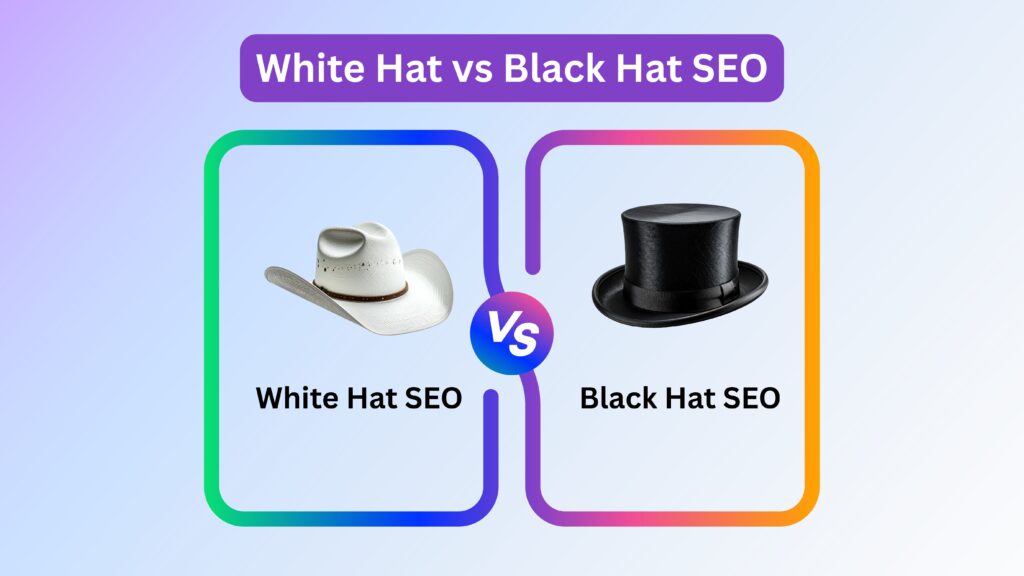
There are two major approaches to SEO:
White Hat SEO
Ethical strategies that follow search engine guidelines:
- High-quality content
- Natural backlinks
- Proper optimization
Black Hat SEO
Manipulative tactics like:
- Keyword stuffing
- Buying backlinks
- Hidden text
Black hat methods may offer short-term gains but risk penalties.
Benefits of SEO
SEO offers several long-term advantages:
- Sustainable organic traffic
- Higher brand credibility
- Better ROI compared to paid ads
- Increased website authority
- Long-term business growth
Unlike paid ads, organic rankings can continue generating traffic without ongoing ad spend.
SEO Strategy Framework Diagram
Here’s a simplified SEO strategy overview:
                 SEO
                  │
    ┌─────────────┼─────────────┐
    │             │             │
 On-Page      Off-Page      Technical
    │             │             │
Keywords      Backlinks     Site Speed
Content       Brand Signals Mobile Friendly
Meta Tags     Social Proof  HTTPS
Internal Links Authority    Sitemap
All three pillars must work together for maximum impact.
How Long Does SEO Take?
SEO is a long-term strategy. Typically:
- Minor improvements: 1–3 months
- Competitive industries: 4–6+ months
- Strong authority building: 6–12 months
Patience and consistency are essential.
Final Thoughts
SEO is not just about ranking higher — it’s about delivering value, solving user problems, and building long-term authority online.
When implemented correctly, SEO becomes a powerful growth engine that consistently drives targeted traffic to your website. By focusing on high-quality content, technical excellence, and strong backlink strategies, businesses can build sustainable online success. Want to learn practical SEO through live projects? Explore the Digital Marketing Courses in Andheri.
In today’s competitive digital world, mastering SEO is no longer optional — it’s essential.