How PPC Campaigns Drive Instant Business Growth
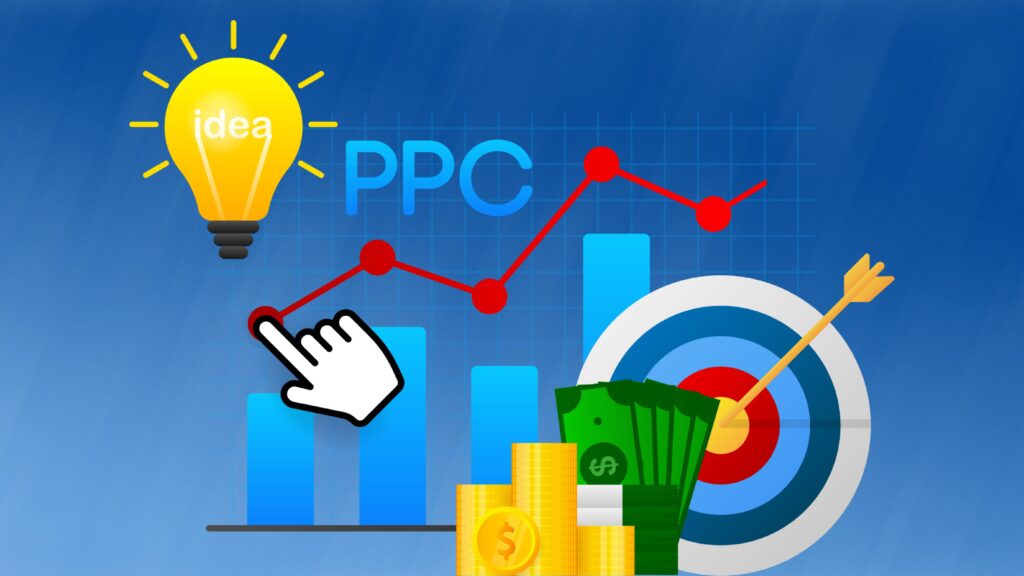
In today’s competitive digital landscape, businesses often need fast and measurable results. While SEO builds long-term organic growth, Pay-Per-Click (PPC) advertising delivers immediate visibility. PPC is one of the most powerful digital marketing strategies for generating targeted traffic, qualified leads, and sales. In this detailed guide, you’ll learn what PPC is, how it works, its major platforms, benefits, strategy framework, and best practices for maximizing ROI. What is PPC? PPC (Pay-Per-Click) is an online advertising model where advertisers pay a fee each time someone clicks on their ad. Instead of earning traffic organically, you buy visits to your website. The most popular PPC platform is Google Ads, which allows businesses to display ads on search results and across partner websites. Other major platforms include Facebook Ads and LinkedIn Ads. The main advantage? Instant visibility. How PPC Works When a user types a query into a search engine like Google, an auction takes place behind the scenes. Advertisers bid on specific keywords. However, the highest bid doesn’t always win. Search engines consider: This system ensures users see relevant ads — not just the most expensive ones. 📊 PPC Auction Process (Visual Diagram) User Searches for “Best Running Shoes” ↓ Google Ad Auction Starts ↓ Advertisers Bid on Keyword ↓ Google Calculates Quality Score ↓ Ads Ranked by Ad Rank ↓ Top Ads Appear in Results The better your ad quality and landing page experience, the lower your cost per click (CPC) can be. Types of PPC Ads PPC is not limited to search ads. There are several formats: 1️⃣ Search Ads These are text-based ads that appear at the top of search engine results. They target users actively searching for a solution. Best for: High purchase intent keywords. 2️⃣ Display Ads Display ads are visual banner ads that appear on websites within advertising networks. Best for: Brand awareness and retargeting. 3️⃣ Social Media Ads Platforms like Instagram and Facebook allow highly detailed audience targeting based on interests, behaviors, and demographics. Best for: Targeted campaigns and audience engagement. 4️⃣ Remarketing Ads Remarketing targets users who have already visited your website but didn’t convert. Example: User Visits Your Website → Leaves Without Buying ↓ Sees Your Ad Later on Facebook or Google ↓ Returns and Makes Purchase Remarketing significantly increases conversion rates. 5️⃣ Shopping Ads E-commerce businesses can use product-based ads that show images, prices, and store names directly in search results. Key Components of a Successful PPC Campaign To run profitable PPC campaigns, you must focus on the following elements: 🎯 1. Keyword Research Choosing the right keywords is critical. Focus on: Avoid broad keywords that drain your budget. 📝 2. Compelling Ad Copy Your ad must: Example:“Get 50% Off Running Shoes – Free Shipping Today!” 🌐 3. Optimized Landing Pages Sending traffic to your homepage is a common mistake. Instead: 📈 4. Conversion Tracking Without tracking, you’re guessing. Track metrics such as: Data-driven decisions are the key to success. PPC Strategy Framework (Visual Overview) PPC Strategy │ ┌───────────┼───────────┐ │ │ │ Keyword Ad Copy Landing Page Research Creation Optimization │ │ │ Targeting Testing Conversion │ │ │ Performance Tracking │ Optimization PPC is not “set and forget.” Continuous testing and optimization are essential. Benefits of PPC Advertising ✅ Instant Traffic Unlike SEO, PPC generates immediate results. ✅ Precise Targeting You can target by: ✅ Measurable Results Every click and conversion is trackable. ✅ Budget Control You control: ✅ Scalability If campaigns are profitable, you can scale quickly. Common PPC Mistakes to Avoid Even experienced marketers make errors. Avoid these common mistakes: Successful PPC requires patience and strategic optimization. PPC vs SEO PPC SEO Instant results Long-term results Paid traffic Organic traffic Requires budget Requires time Highly measurable Builds long-term authority The best strategy? Use both together. SEO builds credibility and sustainable traffic. PPC drives immediate leads and revenue. Advanced PPC Techniques To maximize performance: Data and continuous testing separate average campaigns from highly profitable ones. How Long Does PPC Take to Work? The beauty of PPC is speed. Campaigns can generate clicks and leads within hours. However, optimization usually takes: Consistency and data analysis are key. Final Thoughts PPC advertising is one of the fastest ways to grow your business online. When done correctly, it delivers: However, PPC is not just about spending money. It requires strategy, research, testing, and continuous optimization. Businesses that understand keyword intent, craft compelling ads, and optimize landing pages consistently outperform their competitors. If you want fast visibility and measurable growth, PPC should be a core part of your digital marketing strategy.